
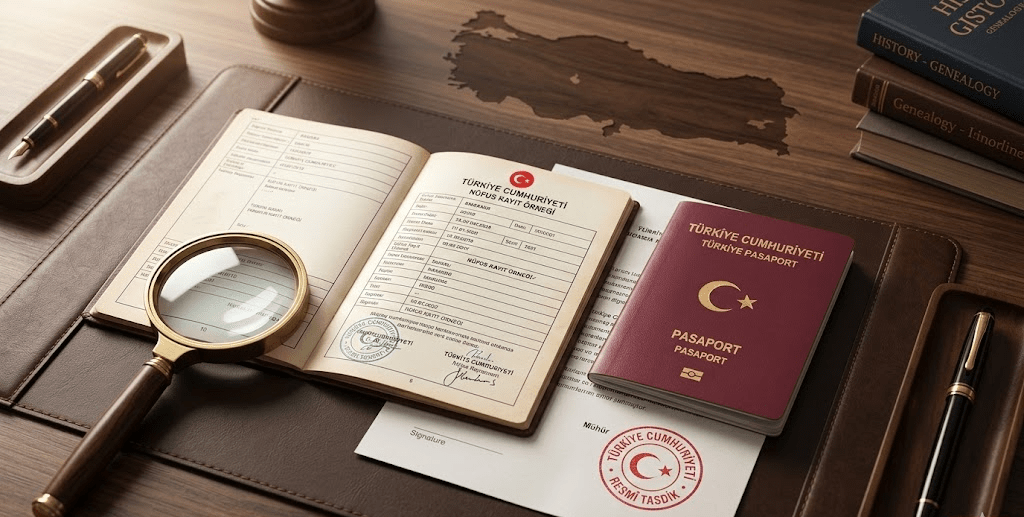
You’ve seen the term “türk idla” showing up in searches, discussions, and online communities—and you’re trying to figure out what it actually means, where it comes from, and why people are talking about it.
Here’s the reality: most explanations you’ll find are either too vague, too brief, or missing the context that makes the concept actually useful. You deserve a clear, complete answer.
By the end of this guide, you’ll understand exactly what türk idla refers to, its background and usage, how it applies in real-world contexts, and what questions most people have about it—answered directly.
One thing to know upfront: “Türk idla” is a compound term drawing from Turkish linguistic and cultural roots. Understanding each component separately makes the whole picture much clearer—and that’s exactly where we’ll start.
What Is Türk İdla? (The Clear Definition)
Türk idla is a term combining the Turkish word türk (meaning Turkish, referring to the Turkish people, language, or cultural identity) with idla, which traces to concepts of assertion, declaration, or formal claim within Turkish linguistic and administrative traditions.
Together, türk idla describes a process or act of formal identification, assertion of identity, or cultural/legal declaration tied to Turkish heritage, origin, or status. The term appears across immigration, cultural documentation, ancestry research, and formal identity contexts—anywhere a person needs to assert or confirm their connection to Turkish identity or Turkish-origin status.
The concept is particularly relevant for: people of Turkish descent navigating documentation processes, researchers studying Turkish diaspora communities, individuals exploring dual citizenship or heritage claims, and administrative professionals working with Turkish records.
Quick Answers to Top Questions
| Q: Is türk idla a legal or cultural concept? Both. It functions as a cultural assertion of Turkish identity in informal contexts and as a formal declaration or claim in legal, immigration, and documentation settings. The specific meaning depends heavily on the context in which it’s used. |
| Q: Do you need official documentation to make a türk idla claim? For informal or cultural purposes, no documentation is required. For official contexts—such as Turkish citizenship applications, dual citizenship claims, or heritage documentation through Turkey’s Directorate General of Civil Registration and Nationality (NÜFUS)—specific documents are required. |
| Q: How is türk idla different from Turkish citizenship? Türk idla is a broader concept of identity assertion. Turkish citizenship (Türk vatandaşlığı) is the specific legal status granted by the Turkish state. You can make a türk idla claim—asserting Turkish identity or heritage—without being a Turkish citizen, though citizenship is one form that identity assertion can take officially. |
The Background: Where Türk İdla Comes From
Understanding türk idla requires a quick look at how Turkish identity has historically been defined and asserted, both within Turkey and among its diaspora communities worldwide.
Turkey has one of the world’s largest diaspora populations. According to estimates from the Turkish Ministry of Foreign Affairs, over 6 million people of Turkish origin live in Europe alone, with significant communities in Germany, the Netherlands, France, Austria, and Belgium. Beyond Europe, Turkish diaspora communities exist in the United States, Australia, Canada, and across the Middle East.
For these communities, asserting Turkish identity—in cultural, familial, administrative, or legal terms—became a recurring need. The concept of türk idla emerged as a way to describe this act of assertion across different contexts and generations.
Here’s where it gets interesting: the same underlying concept functions differently depending on where you are and what you need.
In Turkey itself, identity assertion through official channels is handled primarily by the General Directorate of Population and Citizenship Affairs (known by its Turkish acronym DGPCA or NÜFUS). Outside Turkey, Turkish consulates handle documentation for diaspora members. In cultural and academic contexts, türk idla appears in discussions of diaspora identity, heritage language preservation, and ethnographic research by institutions including Boğaziçi University.
How Türk İdla Works in Practice
The process varies significantly depending on what kind of assertion is being made. Here’s how it breaks down across the most common scenarios.
For Heritage and Cultural Documentation
If you’re asserting Turkish heritage for cultural, genealogical, or family history purposes, the process is relatively straightforward:
- Gather primary documents — birth certificates, family records (nüfus cüzdanı or family registry entries), and any existing documentation of Turkish ancestry. Turkish civil records are organized by family registration (aile kütüğü), which traces lineage across generations.
- Verify through consular channels — Turkish consulates in most major cities can verify heritage claims and provide certified documentation. Processing time typically runs 4–8 weeks for standard requests.
- Consider apostille certification — if documents will be used internationally, apostille certification under the Hague Convention makes them recognized in 124 signatory countries.
- Archive your documentation — digitize everything. Turkish records offices have expanded digital access through the e-Devlet (e-Government) portal, making ongoing access significantly easier for diaspora members.
For Legal and Administrative Purposes
When türk idla connects to legal matters—citizenship applications, property rights, inheritance, or official status recognition—the requirements are more substantial.
The Turkish Citizenship Law (Law No. 5901, effective 2009) governs who qualifies for Turkish citizenship by descent. Under Article 7, children born to at least one Turkish parent are citizens by birth regardless of birthplace. For those whose Turkish lineage is less direct, Turkish citizenship by descent requires documentation tracing the connection.
Key documents typically required include: certified birth certificates for all relevant family members, family registry extracts (aile kütüğü suretleri), marriage certificates where applicable, and in some cases, a DNA ancestry report from an accredited laboratory.
Processing for citizenship-related türk idla claims through Turkey’s Ministry of Interior typically takes 6–18 months, depending on documentation completeness and case complexity.
For Academic and Research Contexts
Researchers studying Turkish diaspora communities, ethnographers, and linguists use türk idla as an analytical framework to describe how Turkish identity is constructed, maintained, and transmitted across generations and borders.
In this context, the concept intersects with broader scholarship on diaspora identity, transnationalism, and heritage language acquisition—fields studied extensively at institutions like Boğaziçi University in Istanbul and the Center for Turkish Studies at multiple European universities.
Türk İdla vs. Related Concepts: Key Differences
| Concept | What It Means | Formal/Informal | Who It Applies To |
| Türk idla | Assertion of Turkish identity/heritage | Both | Anyone of Turkish descent |
| Türk vatandaşlığı | Turkish citizenship (legal status) | Formal | Recognized by Turkish state |
| Diaspora kimliği | Diaspora identity (cultural construct) | Informal | Turkish communities abroad |
| Soy bağı | Lineage/bloodline connection | Formal/legal | Used in citizenship by descent |
| Kültürel miras | Cultural heritage assertion | Informal | Cultural/educational contexts |
The key takeaway: türk idla is the umbrella concept. The others are specific expressions of it—either more formal (citizenship, lineage documentation) or more informal (cultural and diaspora identity).
Common Mistakes When Navigating Türk İdla Processes
Most confusion and delay in türk idla processes comes from the same recurring errors. Here’s what to avoid.
Mistake #1: Assuming consular and NÜFUS processes are interchangeable. They’re not. Turkish consulates handle documentation and verification for diaspora members, but NÜFUS handles the official registration and citizenship records. You often need both, in the right sequence. Starting with consular verification before approaching NÜFUS directly saves significant time.
Mistake #2: Neglecting apostille certification for international use. Documents authenticated in Turkey won’t automatically be recognized abroad without apostille certification. Many applicants discover this after the fact, adding months to their timeline. If there’s any chance documents will be used outside Turkey, get the apostille certification upfront.
Mistake #3: Relying on informal translations. Official Turkish documents submitted for legal purposes must be translated by a sworn translator (yeminli tercüman). Informal or machine translations—even accurate ones—are rejected in formal proceedings. Use certified translators only.
Mistake #4: Underestimating the family registry. The Turkish family registry (aile kütüğü) is the foundational document for most türk idla claims. Request your aile kütüğü extract through the e-Devlet portal or the nearest Turkish consulate before anything else.
Frequently Asked Questions
What documents prove a türk idla claim?
The core documentation starts with the family registry extract (aile kütüğü sureti), which records family relationships and lineage in Turkey’s civil registration system. Supporting this with certified birth certificates, a valid Turkish ID (nüfus cüzdanı) or passport if available, and marriage certificates where applicable creates a complete documentation package for most purposes.
Can someone born outside Turkey make a türk idla claim?
Yes. Turkish identity is not limited by birthplace. Under Turkish law and cultural understanding, türk idla can be asserted by anyone with documented Turkish lineage, regardless of where they were born or currently reside. The strength and formal recognition of the claim depends on the clarity of the documentation trail.
How long does the türk idla process take for citizenship purposes?
For citizenship by descent claims through Turkey’s Ministry of Interior, expect a minimum of 6 months for straightforward cases and up to 18–24 months for cases requiring additional documentation or verification. Having complete, properly apostilled and translated documentation at the outset reduces processing time significantly.
Is türk idla recognized in the United States?
The US does not formally recognize türk idla as a legal category. However, Americans of Turkish descent can assert Turkish identity through Turkish consular channels, obtain Turkish documentation, and pursue Turkish citizenship—which Turkey allows to coexist with US citizenship in many cases. The US Department of State’s consular services handle questions about how Turkish documentation interacts with US residency and citizenship status.
What is the e-Devlet portal and how does it help?
e-Devlet (literally “e-Government”) is Turkey’s unified digital government services platform, accessible at turkiye.gov.tr. It allows Turkish citizens and those with existing Turkish documentation to access civil records, submit applications, track case status, and obtain certified digital copies of official documents. For diaspora members with existing Turkish identity documentation, e-Devlet significantly simplifies obtaining records needed for türk idla purposes.
Can türk idla claims be contested?
In formal legal contexts, yes. If a citizenship by descent claim is based on incomplete or disputed documentation, Turkish authorities may request additional verification. Lineage disputes, missing records, or documentation gaps can complicate formal claims. Working with an attorney experienced in Turkish nationality law is advisable for contested cases.
Key Takeaways
Türk idla encompasses a range of identity assertions—from cultural acknowledgment of Turkish heritage to formal legal claims for citizenship and documentation. The concept applies to millions of people worldwide with Turkish ancestry, and navigating it successfully depends on understanding which context you’re operating in and what documentation that context requires.
Your next steps depend on your situation:
- For cultural or research purposes: start with the family registry extract through e-Devlet or your nearest Turkish consulate—it establishes your documentation baseline at minimal cost
- For formal documentation: contact the Turkish consulate in your region to understand current requirements and timelines for your specific case
- For citizenship purposes: consult an attorney familiar with Turkish nationality law (Law No. 5901) before submitting any formal application
The difference between a smooth process and a frustrating multi-year experience almost always comes down to documentation preparation upfront. Türk idla doesn’t have to be complicated—but it does require the right papers in the right order.
