
You’ve probably seen the word Bardid pop up in tech forums, content circles, or digital marketing threads. And you’re likely asking the same thing everyone else is: what exactly is it? Bardid sits at a curious intersection — part digital identity framework, part storytelling platform — and that dual nature is exactly what makes it worth understanding. Whether you’re a creator, a business owner, or just digitally curious, Bardid is quietly becoming a term you’ll want to know.
What Is Bardid?
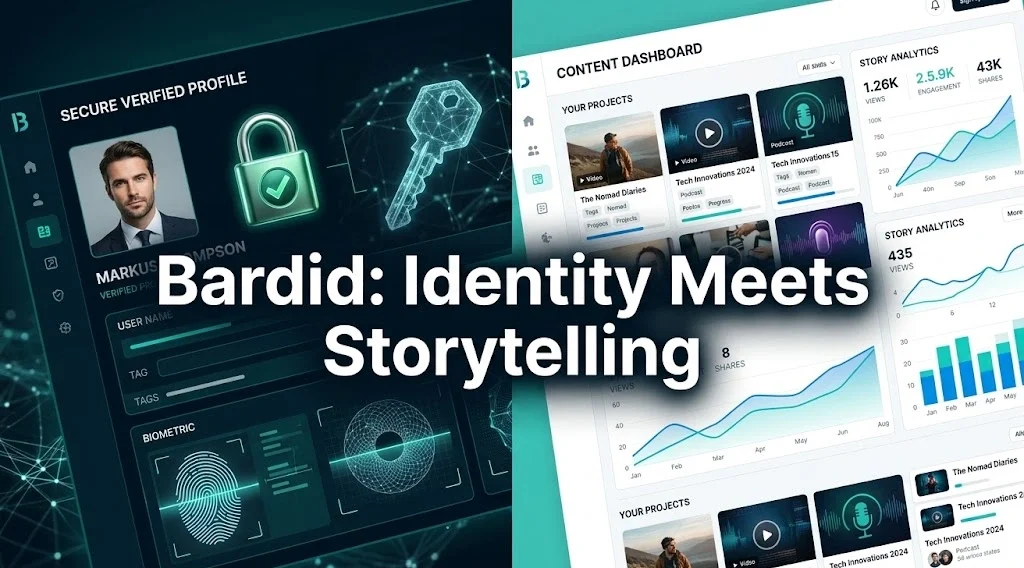
Bardid is an emerging digital concept that operates on two distinct but related fronts. On one side, it’s discussed as a digital identity and verification system — a framework that helps individuals and organizations establish secure, reusable identities online. On the other, it’s positioned as a digital storytelling platform that empowers creators to build multi-format narratives using data, interactivity, and technology.
Think of it this way: Bardid is what happens when trust infrastructure meets creative expression in the digital space.
The identity side focuses on secure credential storage, layered verification, and privacy-first data sharing. The storytelling side centers on helping creators move beyond static blog posts into richer, more immersive content experiences — using audio, video, and analytics together.
Neither version of Bardid is fully mainstream yet. That’s actually why you’re seeing so much curiosity around it.
Why Bardid Is Getting Attention Right Now
The timing makes sense. Two massive shifts are happening simultaneously in the US digital landscape.
First, identity fraud is at an all-time high. The FTC reported that Americans lost over $10 billion to fraud in 2023 alone, and a significant chunk of that traces back to broken or exploited identity verification systems. Tools that offer decentralized, user-controlled identity — like what Bardid’s framework describes — are filling a genuine gap.
Second, content saturation is crushing traditional storytelling. Creators are drowning in a sea of generic blog posts and recycled advice. Platforms that let you blend formats, personalize narratives, and understand audience behavior in real time have a clear value proposition.
Bardid addresses both. That’s not an accident — it’s why the searches are climbing.
How Bardid Works: The Core Mechanics
On the identity side, Bardid operates through a decentralized model. Users create a verified digital profile using cryptographic keys. When a platform needs to confirm your identity, Bardid shares only the necessary verification result — not your underlying documents or personal data. You verify once, then authenticate everywhere Bardid is supported.
Key elements include:
- Cryptographic encryption protecting stored credentials
- Multi-factor authentication built into every verification step
- Smart contracts automating access requests without human review
- API integration that lets businesses plug Bardid into existing systems in hours, not weeks
On the storytelling side, Bardid gives creators a toolkit for multi-dimensional content. You’re not just writing — you’re building experiences. The platform layers data analytics on top, so you can see exactly where readers engage, where they drop off, and what drives them to act.
Real Use Cases Worth Knowing
You might be wondering where Bardid actually shows up in practice. Here are the industries where both versions of Bardid are making moves:
Financial Services: Banks and fintech apps use Bardid-style identity frameworks to speed up onboarding. What used to take 3-5 business days for account verification can happen in under 10 minutes.
Healthcare: Telehealth platforms need rock-solid identity verification to protect patient records. Bardid’s minimal data exposure model fits neatly inside HIPAA-compatible workflows.
Online Marketplaces: Whether you’re on a freelance platform or a peer-to-peer marketplace, knowing the person on the other side is verified changes everything. Bardid reduces scam risk without adding friction.
Content Creation: Independent filmmakers and digital journalists are using storytelling platforms like Bardid to create campaigns that mix interactivity with analytics — reaching niche audiences with far more precision than a standard WordPress post.
What Sets Bardid Apart From Traditional Systems
Most legacy identity systems require you to upload the same passport scan to 12 different platforms. Most content platforms treat every creator the same regardless of audience behavior. Bardid challenges both.
The key differences:
- One-time verification vs. repeated document submissions
- User-controlled data sharing vs. platforms owning your information
- Behavioral analytics baked in vs. guessing what your audience wants
- Decentralized architecture vs. central databases that become breach targets
That last point matters a lot right now. When a centralized database gets hacked, millions of users are exposed at once. Distributed systems mean there’s no single point of failure.
Common Mistakes People Make When Researching Bardid
Here’s where a lot of people go wrong: they treat Bardid as one single product with one single purpose. It’s not. The term covers multiple implementations, and conflating the identity framework with the storytelling platform leads to confusion.
Another mistake is assuming Bardid is fully built out and commercially available at scale. The honest answer is that it’s still evolving. Some features are live, others are in development, and the ecosystem around it is actively forming.
Don’t make a business decision based on marketing copy alone. Look for actual API documentation, real integration case studies, and verified user accounts before committing.
Is Bardid Worth Your Attention?
If you work in digital security, content creation, fintech, or healthcare — yes. Bardid represents a direction the industry is clearly moving toward, even if the brand itself is still finding its footing.
The US market in particular is hungry for better identity infrastructure and smarter content tools. Bardid sits at the overlap of both. Watch how its ecosystem develops over the next 12 months. The companies that understand it early will have a meaningful head start on the ones scrambling to catch up later.
Stay informed, stay skeptical of hype, and test it against your actual needs before going all-in.
